
Electronic Petting Zoo
Is it alive, or is it just pretending?

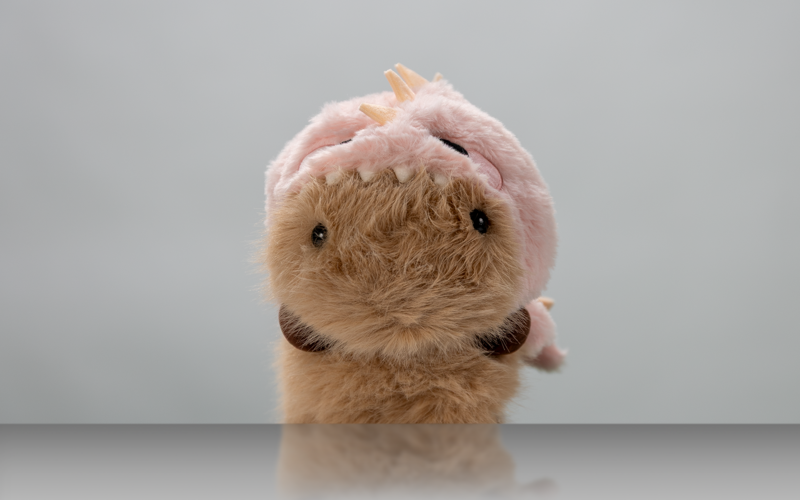
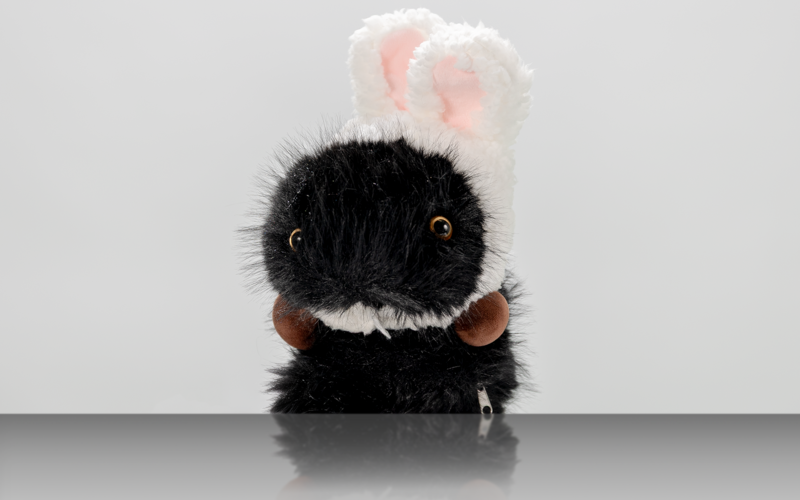
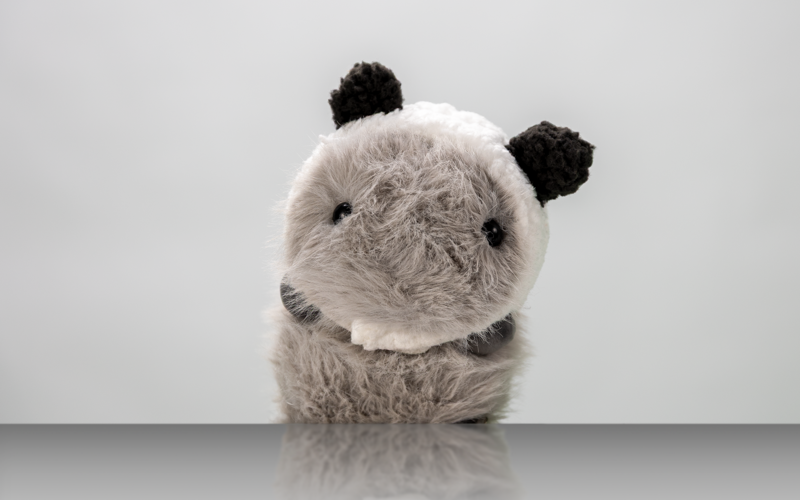
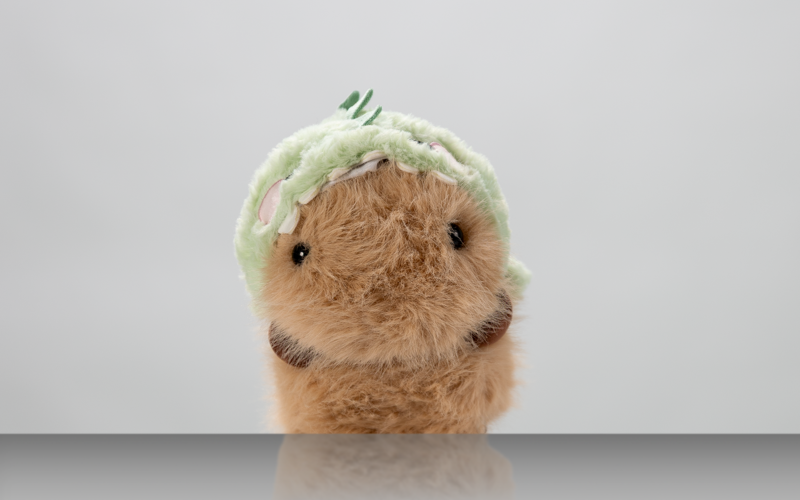
Through August 2, 2026, the ZKM’s Electronic Petting Zoo provides an opportunity for preschoolers to gain early experience with technology. Ten robotic guinea pigs that respond to touch and speech are entrusted to the children for a limited time. This allows children to explore a question that will become increasingly important in the future: Is it alive, or is it just pretending?
Publicly accessible petting zoo
The robot petting zoo is open to the public free of charge from November 30, 2025, to August 2, 2026. Children accompanied by their parents or legal guardians, as well as interested adults, can gain experience with robots there. How do we engage with objects that simulate living beings, and what effect does this have on us? Will we lose the ability to interact with other organisms?
Opening hours of the publicly accessible part:
- Wednesday, Thursday, Friday: 2 – 6 pm
- Saturday, Sunday: 11 am – 6 pm
limited to half an hour at a time
For kindergarten groups participating in the KIT research project only:
- in the morning for one and a half hours
Humans & Machines
Interactive technology has long been an integral part of our everyday lives. Whether it's a voice assistant in a smart home, a talking doll, or smart sensors, we are surrounded by objects that appear to be alive. Large language models such as ChatGPT, which pretend to be human counterparts, are only the latest manifestation of anthropomorphic machines. Against the background of the ever-increasing presence of AI in the twenty-first century, the ability to discern between what is alive and what is only pretending to be is essential: “The more machines replace social contact, the more problematic they become for us humans,” says Tina Lorenz, head of the ZKM | Hertzlab, which initiated the Electronic Petting Zoo. The project aims to raise awareness for this important distinction in children and adults. “In our view, the robotic guinea pigs are an excellent way to introduce children to an informed way of interacting with objects that appear life-like. They can illustrate the complex functioning of AI to a very young audience without necessarily being AI-based themselves,” explains Lorenz.
Research cooperation with KIT
The Electronic Petting Zoo is a project of ZKM | Hertzlab, which conducts artistic research and development at the intersection of art, politics, and technology. Parallel to its public use, the Electronic Petting Zoo is also being accompanied by a research project conducted by the Karlsruhe Institute of Technology (KIT): Together with Kathrin Gerling, Professor of Human-Machine Interaction and Accessibility at the Institute for Anthropomatics and Robotics (IAR) in the Department of Informatics, we want to investigate whether and how kindergarten-age children can recognize and learn the difference between living animals and artificially animated objects.
These studies are scheduled in the morning for kindergarten groups upon registration. The accompanied visits provide a systematic understanding of early childhood human-machine interactions. To register a kindergarten group, email streichelzoo@zkm.de
Objective
The Electronic Petting Zoo contributes to a cultural infrastructure that enables children, regardless of their background or language abilities, to engage with increasingly complex technological advancements. The interplay of artistic practice and scientific research fosters experiential spaces that promote social skills and provide early access to technological, ethical, and social issues.






-
In cooperation with
-
Powered by