Connection Machine CM-2
-
Press Release
Visionary AI from the 1980s
ZKM | Karlsruhe honors the groundbreaking supercomputer “Connection Machine” with an installation and conference
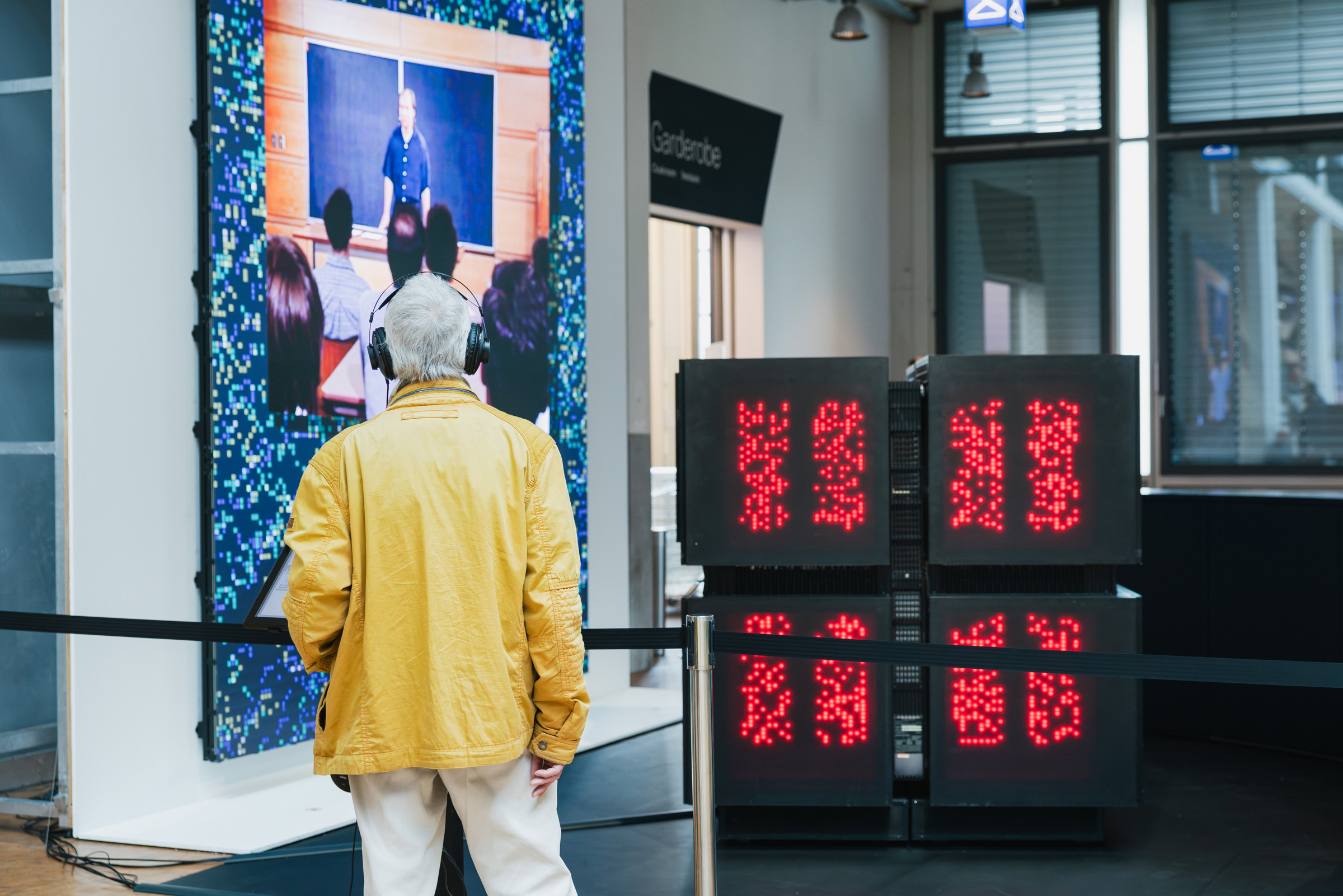
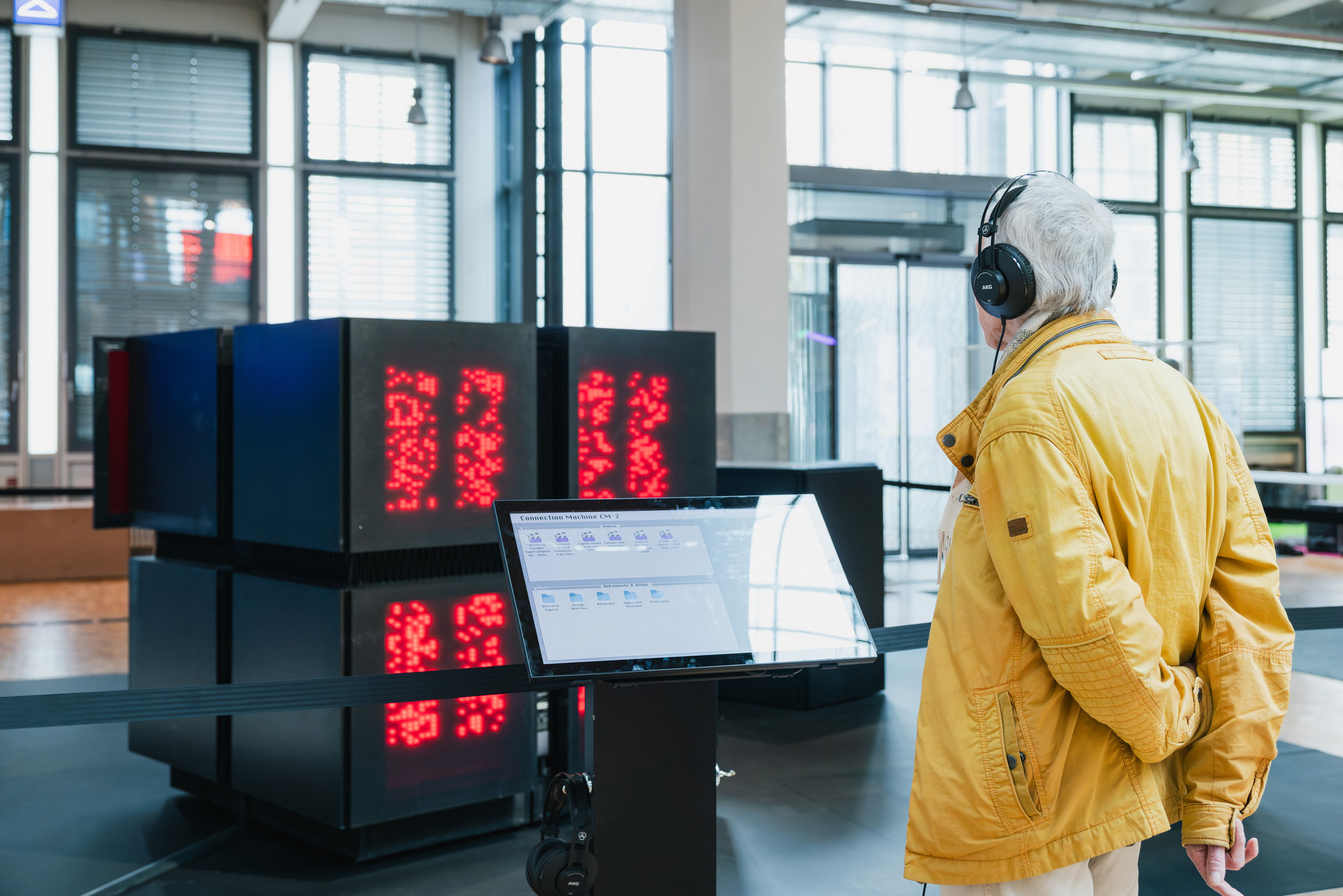
How was AI conceived before the Internet existed? And what can we learn from this history, these best intentions, as we face the challenges of AI today? The ZKM | Center for Art and Media Karlsruhe is celebrating the 40th anniversary of the “Connection Machine” (CM) parallel computer and honoring its contribution to today's AI and supercomputing landscape. Starting March 25, a CM-2 will be on display in the foyer of the ZKM. The installation will be accompanied by an interdisciplinary conference dedicated to the forgotten legacy of the Connection Machine.
Installation
Connection Machine CM-2
The dream of an Electronic Brain
March 25 – August 2, 2026
ZKM | Foyer, free admission
The Connection Machine is considered a technological pioneer that was 20 to 30 years ahead of its time. It was inspired by the question of how intelligence arises in the human brain through the complexly networked, parallel processing of information.
“Looking back, we would never have started if we had known how complicated the project would be,” says American computer engineer W. Daniel “Danny” Hillis, describing the creation of the Connection Machine. With his company Thinking Machines Corporation (TMC), he worked with an interdisciplinary team to develop three versions of the CM between 1983 and 1994. The first model, the CM-1, with 65,000 processors, was the first commercial supercomputer with a massively parallel architecture and was launched exactly 40 years ago.
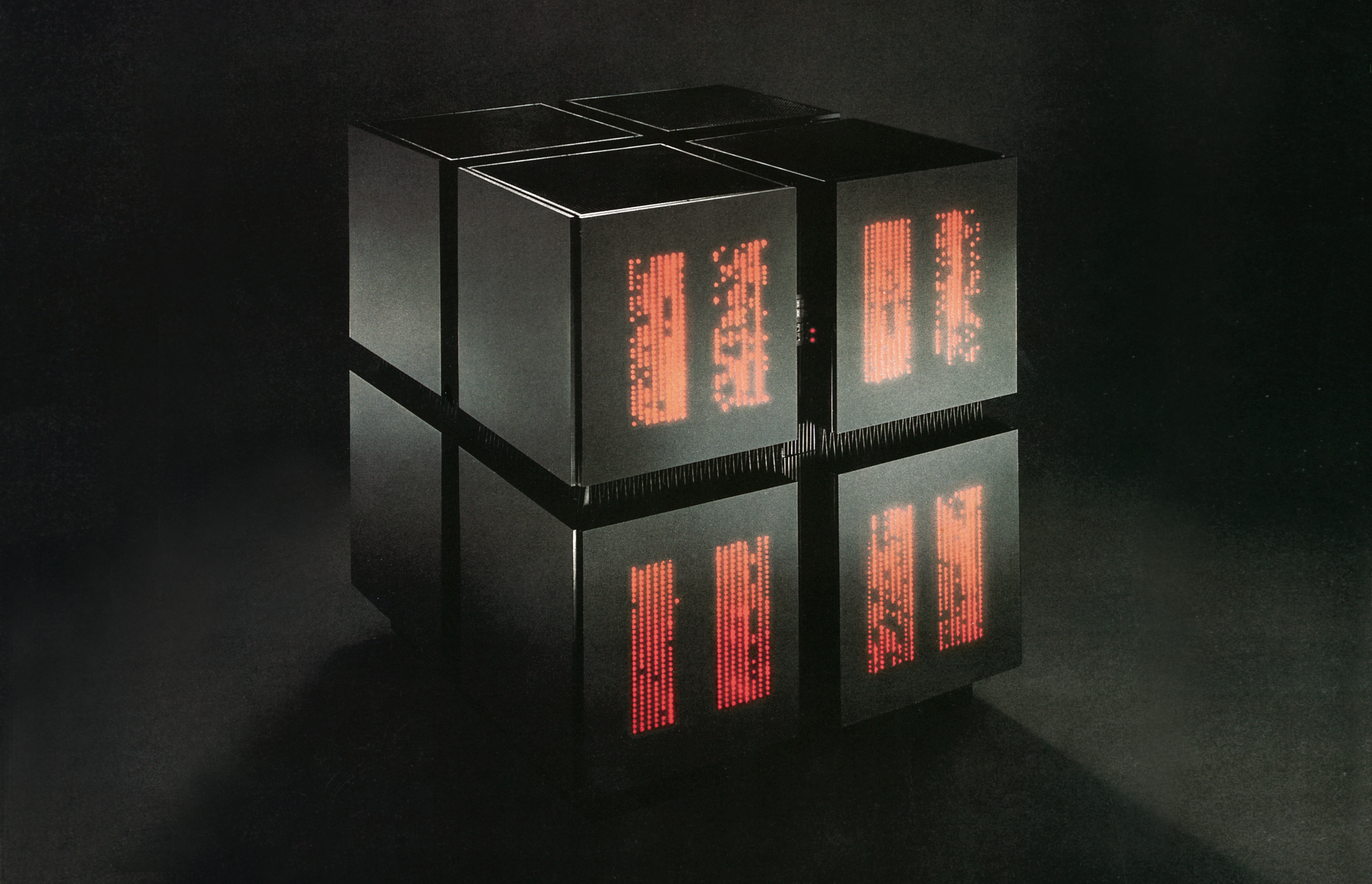
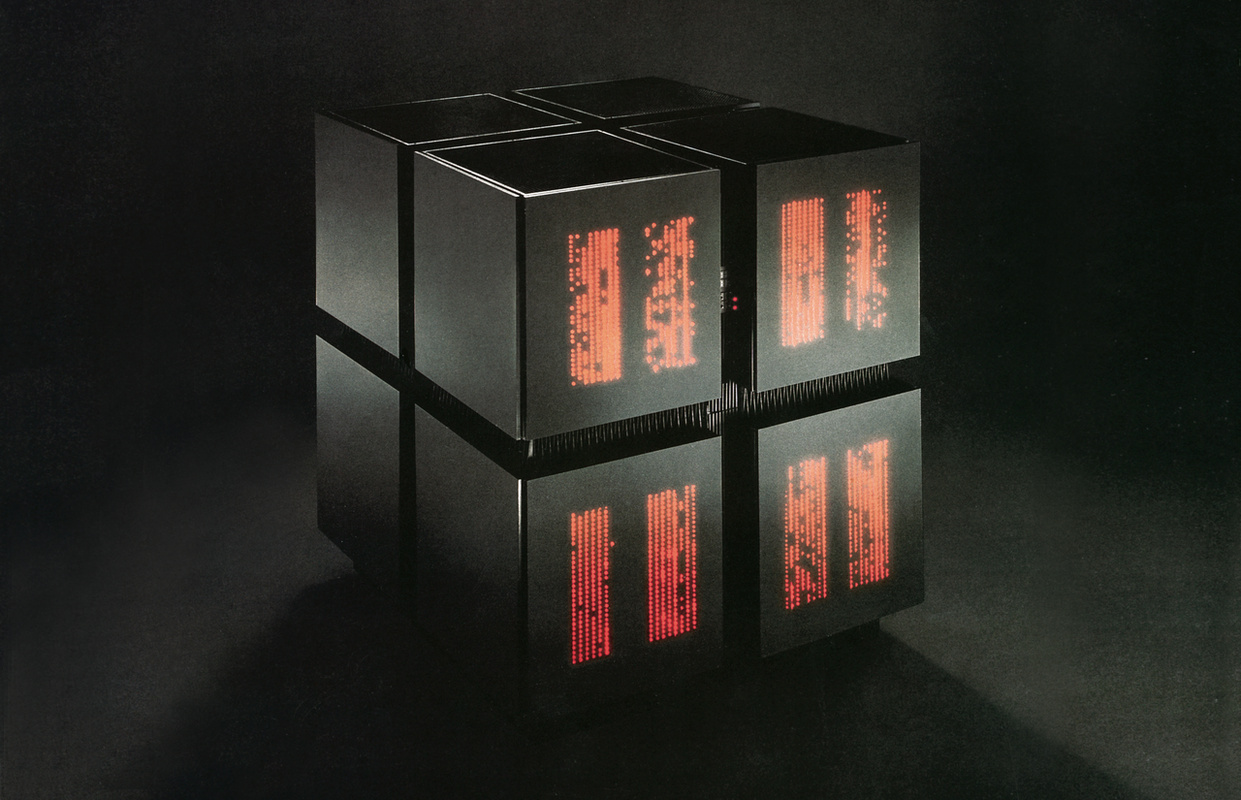
The Connection Machine is not only a technological breakthrough, but also a unique design object. Under the direction of Tamiko Thiel at Thinking Machines, its abstract, invisible inner workings were translated into a symbolic form. Together with Nobel Prize winner and physicist Richard Feynman, the iconic “Cube of Cubes” motif was created. The matte black shell with over 4,000 red LEDs made the parallel processes of the Connection Machine visible – an image of a living electronic brain.
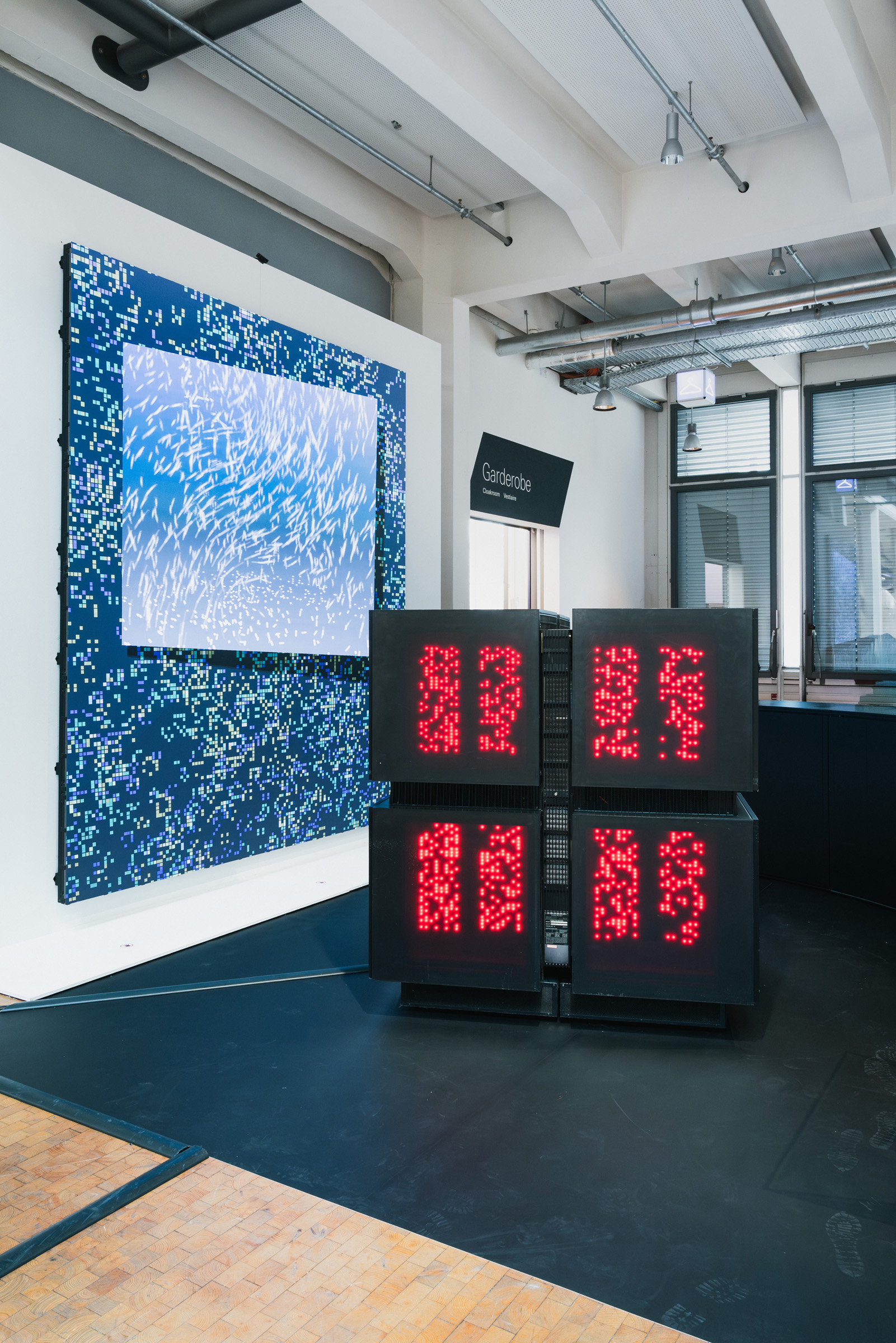
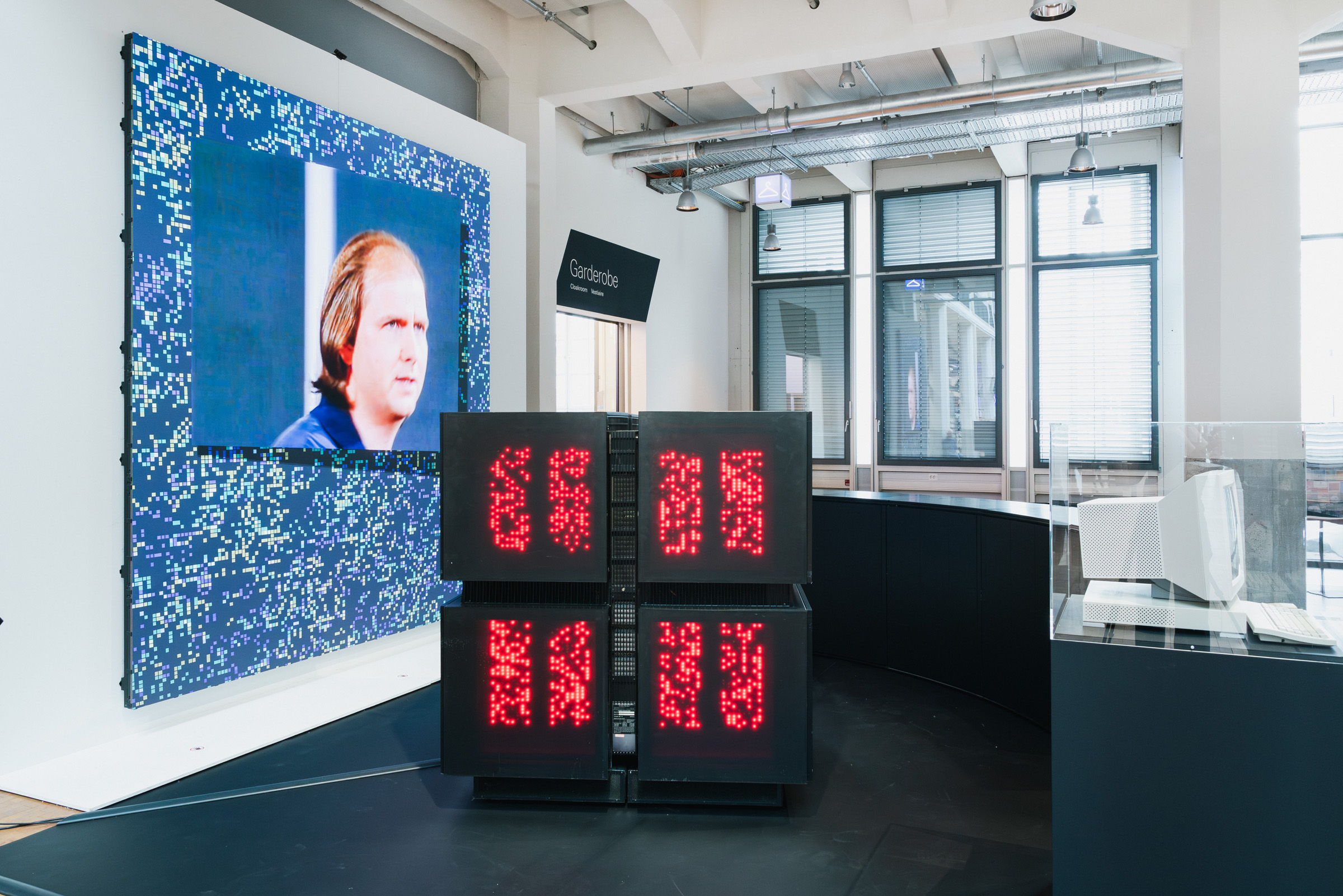
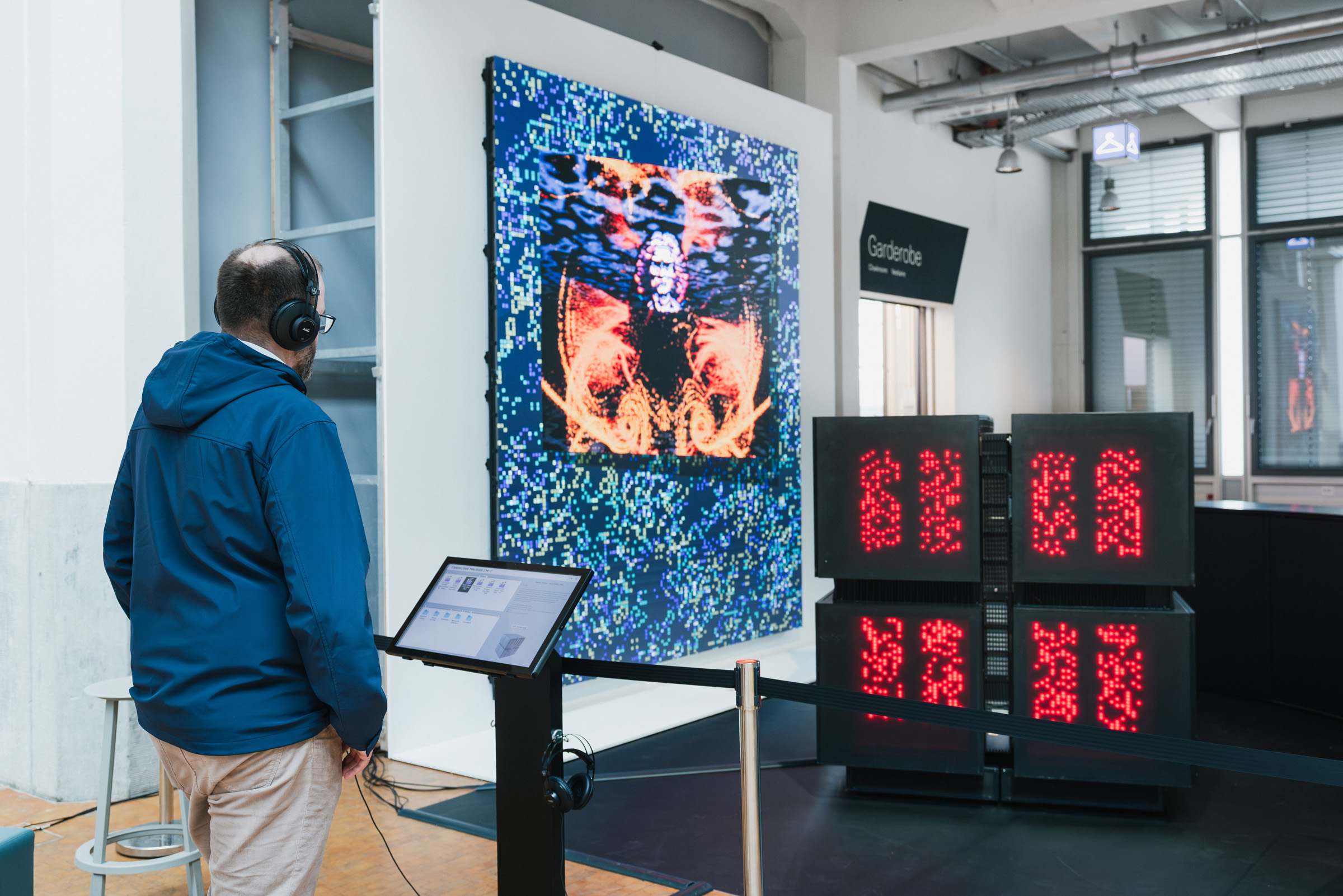
Starting March 25, an original version of the CM-2 will be on display in the foyer of the ZKM, as part of the collection of Karlsruhe Institute of Technology (KIT), where it was also reconstructed. Unlike the original version, the audience on site has the opportunity to change the LEDs of the Connection Machine themselves and thus interact with it.
The visual design of the machine is just as remarkable as its technical performance. Prof. Dr. Michael Beigl, Professor of Pervasive Computing Systems / TecO at KIT, describes it as follows:
"The CM-2 impressively demonstrated how creative design can make the inner workings of a computer visible and understandable. Its iconic architecture, often referred to as an ‘electronic brain,’ translated abstract concepts such as massive parallelism into a spatially tangible form, thereby shaping both scientific thinking and the public perception of computing processes.
Today's AI systems, especially large language models, do not yet have comparably vivid representations of their internal workings. The CM-2 therefore still serves as a reference for how visualization can mediate between technical complexity and broad comprehensibility."
Conference
Envisioning AI: Legacy and Impact of the Connection Machine
March 27–28, 2026
ZKM | Media Theater & online (www.zkm.de/en/cm2)
Complementing the installation, the conference highlights the far-reaching influence of the CM and honors it as a visionary technology that has had a significant impact on today's AI and supercomputing landscape.
Despite its far-reaching influence, the Connection Machine's formative role in the history of AI and high-performance computing has remained largely unnoticed. And it was not only the machine itself that was significant; after TMC's bankruptcy, its developers and contributors flowed into influential technology companies such as Google Search, Google AI, Nvidia and Amazon Web Services.
At the conference, international experts, developers, and designers of the machine will focus on the technological complexity of the CM, the aesthetics of its design, its cultural influence, and today's AI landscape.
A central question here is: Why were the achievements of this supercomputer, which was so far ahead of its time, forgotten? Lectures and panel discussions will offer a look at today's AI landscape and shed light on the influence of the CM on art, science, and society.
The conference is organized by ZKM | Karlsruhe, Karlsruhe Institute of Technology (KIT), and CM designer and artist Tamiko Thiel. All conference contributions and additional material will subsequently be made available to the public in a permanently accessible digital archive.
Image - Gallery
-
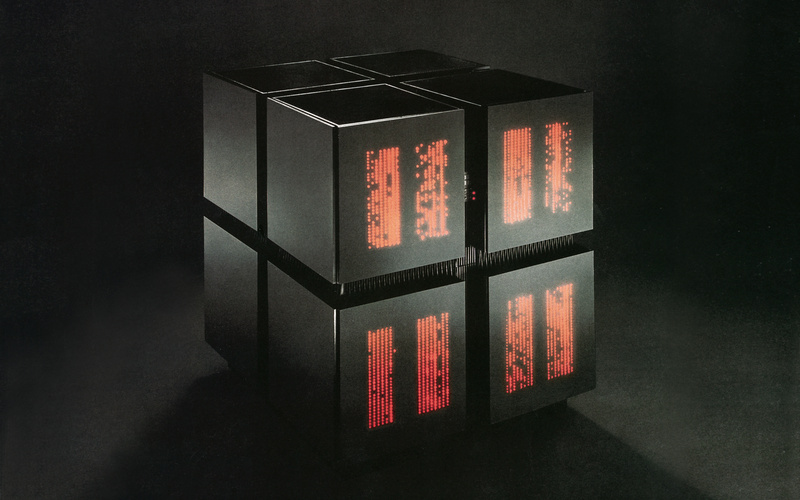 Connection Machine CM-1, Thinking Machines Corporation, 1986© Thinking Machines Corporation, Photo: Steve Grohe, 1986
 -
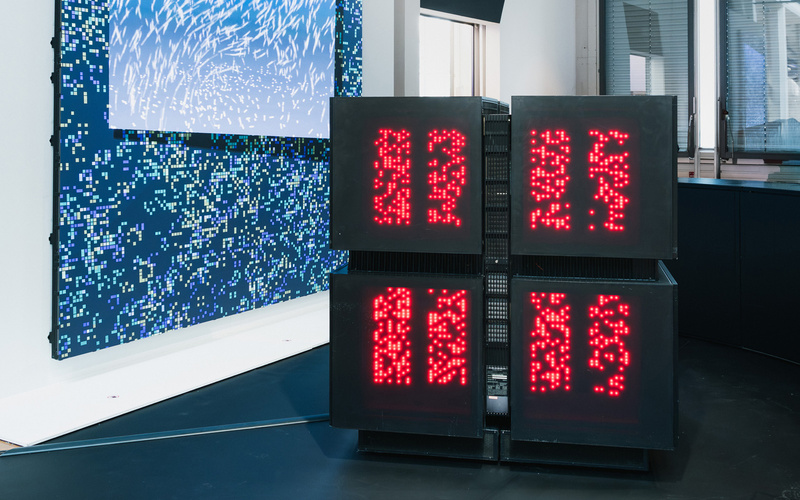 © ZKM | Center for Art and Media Karlsruhe, photo: Chiara Bellamoli
 -
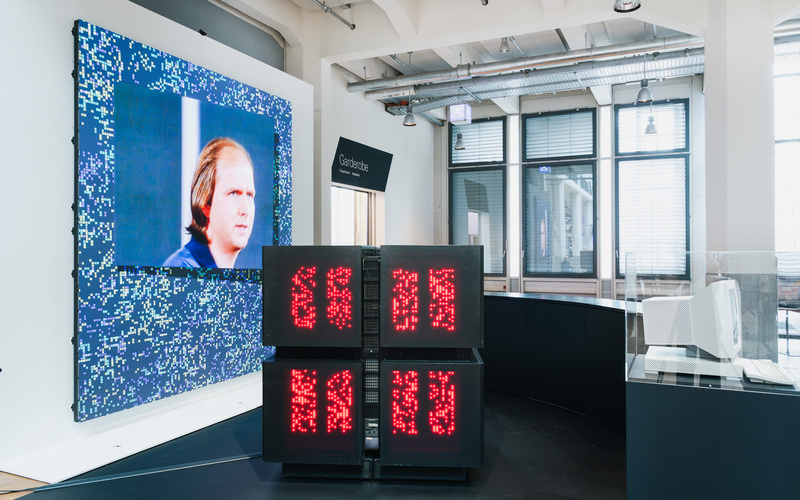 © ZKM | Center for Art and Media Karlsruhe, photo: Chiara Bellamoli
 -
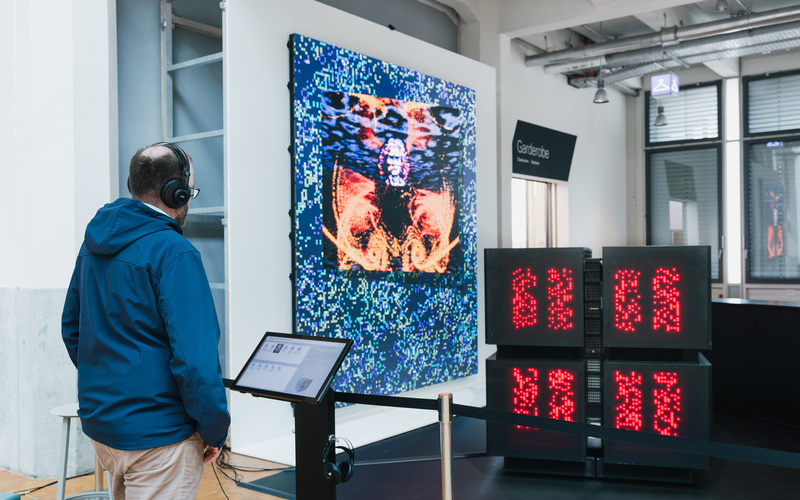 © ZKM | Center for Art and Media Karlsruhe, photo: Chiara Bellamoli
 -
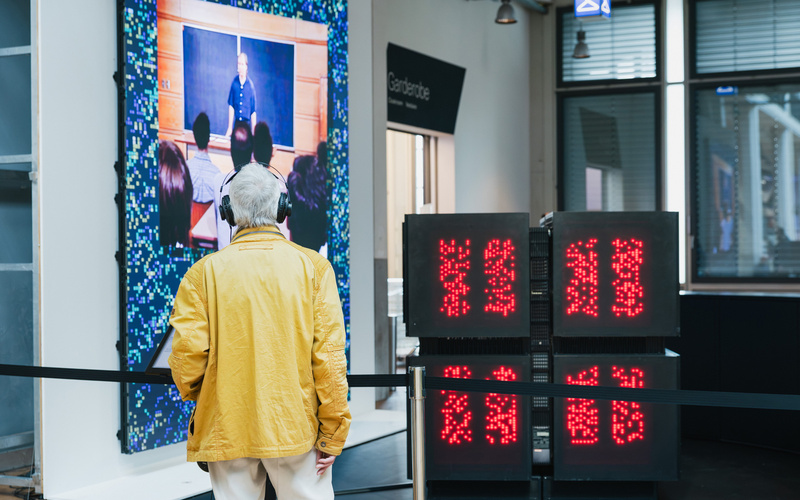 © ZKM | Center for Art and Media Karlsruhe, photo: Chiara Bellamoli
 -
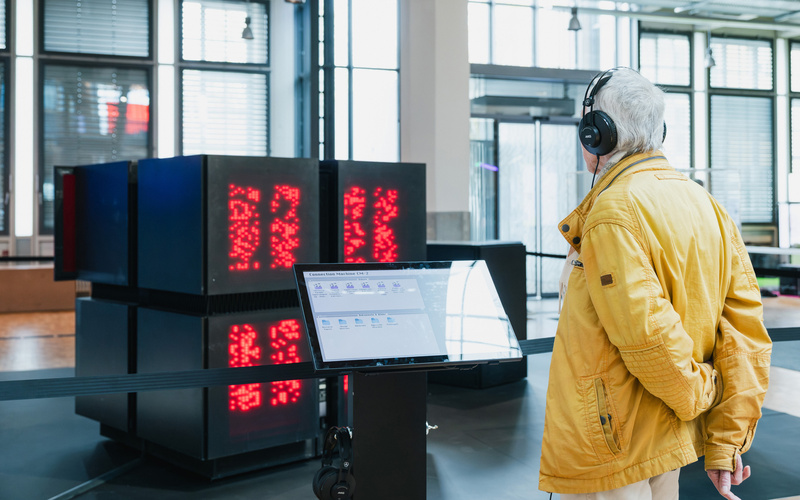 © ZKM | Center for Art and Media Karlsruhe, photo: Chiara Bellamoli